



Figma Make – what is it and how to use it? How to turn text into design?
Figma Make is a new feature from Figma that combines artificial intelligence and design. It allows you to generate a working prototype of...

Vector graphics
What is vector graphics? Vector graphics are one of the two types of graphics in the modern design world. Compared to raster graphics, which are...
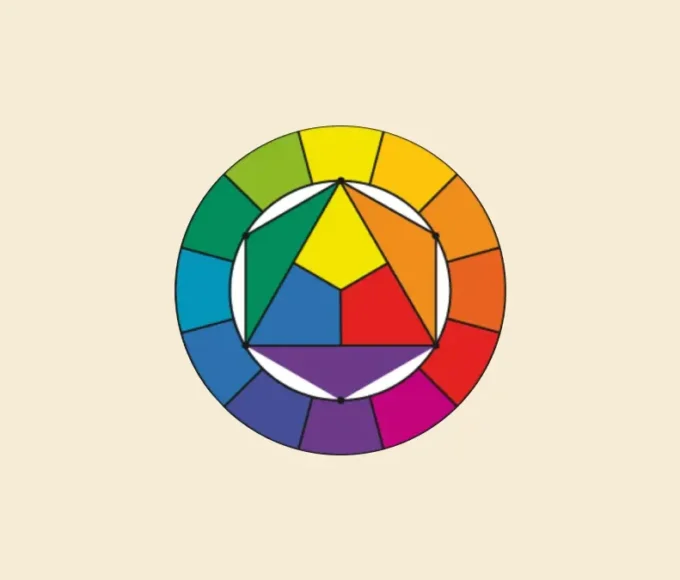
Itten color wheel: how to use colors?
Did you know that there is a system that helps you understand how colors combine and interact with each other? It’s called the...
Design & Creative
Welcome to the “Design & Creative” category on Onliners.Media, where imagination meets professionalism in the realm of online business. This category is dedicated to the vibrant design world, particularly graphic design, and its multifaceted applications in the digital era. Whether you’re a seasoned graphic designer, a freelancer looking for the next big project, or someone interested in exploring the creative aspects of design, this space is your ultimate resource.
Graphic Design: The Heart of Creativity
Graphic design is an art form where professionals create visual content to communicate messages. By applying visual hierarchy and page layout techniques, designers use typography and pictures to meet users’ specific needs and focus on the logic of displaying elements in interactive designs to optimize the user experience.
Career Opportunities
- Graphic Design Jobs: This field offers a plethora of opportunities, ranging from freelance graphic design gigs to full-time positions in corporate settings. Graphic design jobs are not just about creating visually appealing designs but also about problem-solving and communicating a brand’s identity.
- Signs of Opportunities: Besides traditional graphic design roles, there are emerging opportunities in related fields like user experience design jobs, where designers can contribute to making digital platforms user-friendly and visually appealing.
- Freelance Opportunities: Freelance design jobs are abundant for those who prefer flexibility. Platforms offer freelance work for graphic designers, allowing for diverse projects and the freedom to choose your workload.
- Creative Works: Beyond graphic design, the creative sector includes a variety of roles for artistic and creative minds. From designing houses to game design, the spectrum of creative jobs is broad and ever-evolving.
Skills and Development
- Design and Graphics: Mastering the art of graphics and designing is crucial. It involves understanding the balance between aesthetics and functionality.
- AI and Creativity: With the advent of AI in creative fields, staying updated with the latest technologies and how they integrate with traditional design practices is essential.
Challenges and Solutions
- Job Market Dynamics: While graphic design jobs are in demand, finding the right opportunity can sometimes be challenging. We provide insights and tips on how to navigate the job market effectively.
- Portfolio Development: A strong portfolio is key to securing jobs in graphic design. We offer guidance on creating a compelling portfolio showcasing your best work.
Conclusion
The “Design & Creative” category on Onliners.Media is your go-to source for everything related to graphic design, creative careers, and freelancing opportunities. Whether you’re looking to enhance your skills, find your next job, or explore the vast world of creative work, we have you covered.
Q&A Section
Q: What jobs require sign language?
A: While sign language is not typically required in graphic design jobs, it can be an invaluable skill in roles where communication with hearing-impaired clients or team members is needed. This can include user experience design jobs where designing for accessibility is crucial.
Q: What are the approaches to job design?
A: In graphic design, job design can involve various approaches, including task variety, job enrichment, and skill variety. These approaches focus on enhancing creativity, improving skills, and ensuring job satisfaction.
Q: What is job design in scholarly articles?
A: Job design in scholarly articles often focuses on theories and principles that improve employee motivation, efficiency, and satisfaction in their roles. This can be particularly relevant in creative fields like graphic design, where job design can significantly impact creativity and productivity.
Q: What jobs can you get with graphic design?
A: With a background in graphic design, you can pursue various roles such as graphic designer, web designer, user experience designer, creative director, freelance graphic artist, and more. The field is diverse, offering opportunities in both corporate and freelance settings.
Q: How to get logo design jobs from freelancer sites?
A: To secure logo design jobs on freelancer sites, create a strong portfolio showcasing your best logo designs. Actively bid on relevant projects, communicate effectively with potential clients, and maintain a good reputation.
Q: What job is designing houses?
A: Designing houses typically falls under the role of an architect or an interior designer. Architects focus on the structural aspects of house design, while interior designers concentrate on the interior spaces, considering aesthetics, functionality, and user experience.
Q: How to get a job in game design?
A: To secure a job in game design, it’s crucial to have a strong portfolio showcasing your game design skills, knowledge of game design software, and an understanding of the gaming industry. Networking, gaining experience through internships or smaller projects, and staying updated with industry trends are key strategies.
Q: What jobs require creative skills?
A: Jobs that require creative skills include graphic designers, art directors, user experience designers, interior designers, fashion designers, illustrators, and many more in the creative industry. These roles demand innovation, artistic ability, and a keen eye for design.
Q: How can I improve my graphic design skills?
A: Improving your graphic design skills involves continuous learning, practicing different design techniques, staying updated with the latest design trends and software, seeking feedback, and working on various projects to enhance your versatility.
Q: Are there creative jobs for people without a formal design background?
A: There are creative jobs for individuals without a formal design background. These include roles in content creation, social media management, and marketing, where a good eye for design and creativity can be more important than formal training.
Q: What is the job outlook for graphic designers?
A: The job outlook for graphic designers is generally positive, with increasing demand for digital and interactive media. However, competition can be stiff, so differentiation through unique skills or specialization can be beneficial.
Q: How do freelance graphic designers find clients?
A: Freelance graphic designers can find clients by networking, using social media platforms, registering on freelance job sites, attending industry events, and referrals from previous clients or colleagues.
Q: What skills are important for a career in user experience design?
A: Important skills for a career in user experience design include empathy for users, understanding of user-centered design principles, proficiency in design tools, knowledge of web development, and strong communication skills.
Q: How can one transition from a different career to graphic design?
A: Transitioning to graphic design from a different career can be achieved by acquiring graphic design skills through courses or self-learning, building a portfolio, gaining experience through small projects or internships, and networking with design professionals.
Q: What are the challenges of working in the creative industry?
A: Challenges in the creative industry include keeping up with rapidly changing trends, dealing with subjective opinions on creativity, managing irregular work schedules in freelance roles, and maintaining a steady stream of innovative ideas.